


From FUBU to Baby Phat, Black-owned fashion brands have shaped global style. But without sustainable infrastructure, they will quickly disappear. Here’s how to change this:
Note: This article reflects the opinions and views of the author.
Black people invented streetwear. That’s not up for debate. It’s in the cut of the jeans, the curve of the logo, the rhythm of the marketing. Yet somehow, decades later, there is still not a single traditional black-owned fashion brand. No Ralph Lauren. There are no Levi’s. It’s not Chanel. A beautiful spinning moment. It’s short, it’s glorious, and it goes by quickly.
FUBU, Carl Kani, Phat Farm, Baby Phat, Sean John, ENYCE, Walker Wear, Mecca USA, Pelle Pelle, Maurice Malone, Rocawear, Apple Bottoms. A brand that once owned clubs, shopping malls, and music videos. A brand that doesn’t just ride the culture, it builds on it. Still, they all read more like a throwback than a legacy. why? Because while black fashion is allowed to become a trend, it is rarely allowed to last.
So what’s stopping Black-owned heritage labels from launching? Access? Infrastructure? Consumer loyalty? Maybe it’s all of the above. But the real underlying problem is this. We have been conditioned to celebrate the beginnings of black genius, but not its sustainability. The launch is fine. viral campaign. A flashy debut at NYFW. But when it comes to surviving the dry season, when sales drop, PR disappears, and culture changes, we disappear.
Let me be clear: it’s not always our fault. The fashion industry is notoriously racist and has capital controls. Black designers receive funding more slowly, are judged more harshly, and are rejected more quickly. Retail ecosystems rarely include the long-term mentorship, operational support, and licensing infrastructure that legacy brands require. We are given a microphone, but never a media plan.
But there is also something common here that we all need to face. We get sucked into underdog stories and abandon brands when they seem successful. Line up around the blocks to get the first drop and the ghost by the fifth. And what about those moments when black brands raise prices or dare to go mainstream? “They have changed.” Maybe they have evolved. Maybe it wasn’t.
These are not words of condolence. It’s a call to action. Because we can’t afford to keep burying the shine every 5 or 10 years. We need to fund black fashion with the patience and infrastructure that we undoubtedly provide to white-owned brands. We need to treat labels like heirlooms, not hashtags. We need to stop waiting for a fashion savior and start building fashion institutions.
FUBU should have been a black Ralph Lauren. Walkerwear should have a flagship store in each ward. Karl Kani should be taught in every design school. Baby Phat should have a showroom in Paris. Apple Bottoms should become second generation iconography. Instead, you’ll see Cinderella’s timeline. midnight strike. Brands disappear.
Stop treating black fashion like a trend predictor and start treating it like a foundation. house. Something to invest in, inherit, and expand, not just remember fondly through documentaries.
Black genius deserves shelf space. and staying power. And this time, the clock never runs out.
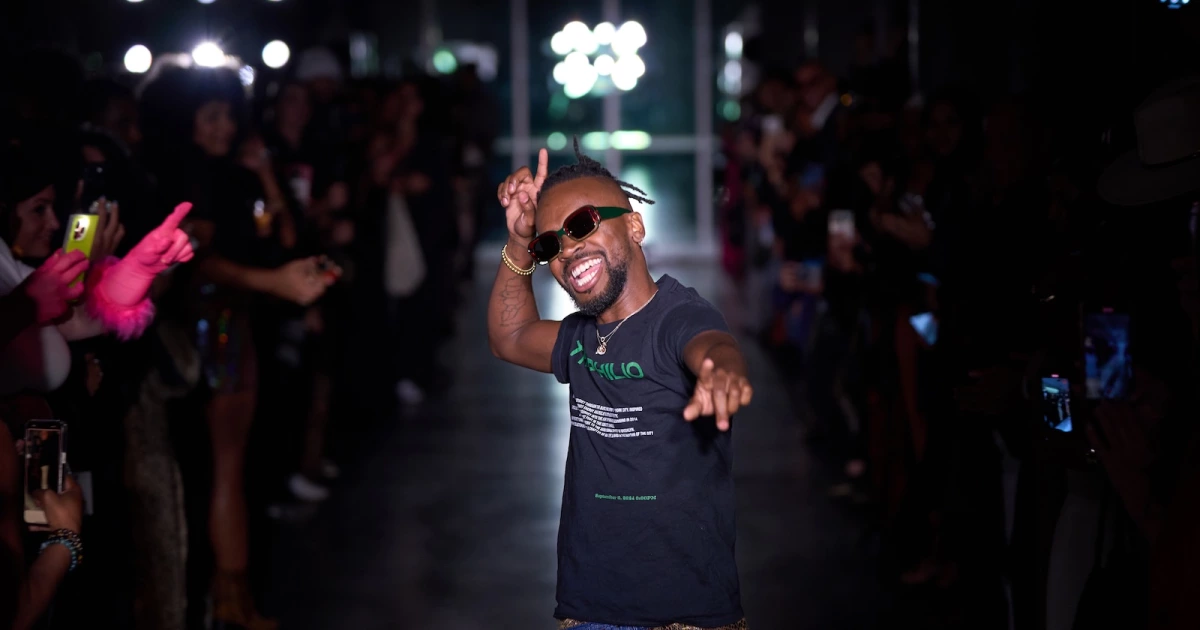
If you’re not sure where to start, start here. At brands like Fe Noel, Caribbean femininity feels like haute couture storytelling. Sammy B silhouettes are made for real bodies and real women. Sergio Hudson tailors the White House and the red carpet with equal precision. Who Decides War blazes a spiritual, denim-heavy path that feels both ancient and futuristic. Teofilio represents a new New York: loud, green and proud to be Jamaican. A home in Armagh where folklore and fashion respectfully meet. And Laquan Smith built a bodycon empire out of Queens and hasn’t rested since.
These designers aren’t just popular, they’re part of history. Give them the time, resources, and respect to become a legacy.
